I just realized I've now had my blog six months. Time for a little assessment. I started it as a creative outlet. A nice cozy spot where I could write on any topic I wanted. Which has happened. I've very much enjoyed each posting though have spent longer on each than I'd have thought. You know--coming up with the idea, doing a bit of research, doing the actual writing, finding appropriate illustrations, defining, refining. Anyway, here is a breakdown of my thoughts.
Frequency. I'd originally expected to do two postings a week. Until I found the next deadline (self-imposed, mind you) coming up far too quickly. So I decided once a week was plenty--for both you and me. So I'm now posting each blog on Saturday. Which gives me Sunday to come up with a new topic and start writing. And the rest of the week to let the whole thing perk before I post it.
Subject. My intention was to present a diversity of subjects which I feel I'm doing. As well as some which reflect this "door number eight" eighth decade (septuagenarian) time in my life. In addition, I had expected to include a lot more of my favorite poetry. But then I came up against the copyright problem ... trying to figure when a poem reverted to the public domain. Each writer's country of origin seemed to have its own rules. All of which required comprehensive research. Even then I wasn't sure if I'd get it right. Or could I get away with assuming that enough years had passed that anything written before the 20th century was now fair game? In my original thinking, too, I'd hoped to include excerpts from some of my writings. Pieces about some of my rough-and-ready travels from years gone by. But then I didn't think I could squeeze any one subject into one posting. Which would mean serializing it. Hmmm.... no conclusion at this point.
Addendum to subject matter. I also decided to leave out such topics as the economy, politics, the world situation, etc., leaving that to the pros. If you want a good source for that sort of thing, try James Howard Kunstler's blog--he who describes ours as "an economy based on happy motoring, suburban land development, continual war, and entertainment-on-demand." At www.kunstler.com
Blog comments. I'd originally thought any reader could write a comment at the end of any posting. You know, feedback. But, with the one exception of a blog-pro (she has her own blog)--plus a couple of others who did, in fact, manage to get through--comments have been nil. Maybe there's a technical reason. Not sure.
Readership. I have a small but faithful following whom I treasure. In truth, I wouldn't want a large readership. But to be quite honest, I don't know how the readership is going in terms of numbers. Maybe a dozen a week. But are they people who access it because they know about it and want to read it ... or are they looking for something else entirely and just happen on it? You know, a quick click and then they're gone again? Impossible to know. I was amused one week when I had 26 readers from the Netherlands and 26 readers from Latvia. Now what could that have been about? But, the key here is not to write the blog for anyone but myself and then to be pleasantly surprised if and when anyone reads it.
Illustrations. My hope, in dressing up each posting, is to include at least one picture. Since I do not want to infringe on anyone's property, so far, I'm only using my/our own pictures. A category which includes paintings and photographs. I do hope they can't subsequently be pirated, but maybe they can.
Anonymity. In all this, I seek to remain low-key. I don't want anything to turn topsy-turvy, triggering some spin-off that's going to connect me, say, to some weird group of cyber-pirates, junk-mailers, etc. So, I tread lightly. And in doing so, I seek to keep the blog as anonymous as possible. So that means not posting pictures of family members. Or identifying anything more than is necessary. Too ... in respecting others' privacy, I doubt I'll post many pictures of people.
But the blog is fun to create. I lie awake some nights re-writing things in my head or wondering what subjects to include ... or what photos, especially when I have a non-pictorial topic. I do think of all this as a conversation of sorts. Which is why I love the two chairs idea. One for you as the reader. One for me as the writer. The two of us conversing in whatever way we want.
Saturday, October 15, 2011
Saturday, October 8, 2011
Home Cooking in the Old Days: '40s and '50s Stuff
Maybe it's a result of my weekly grocery shopping--seeing so many tasty, organic, imaginative (also, expensive) food items--but lately I've been thinking about what we used to eat. Simple fare. What my mother made for us back in the '40s and '50s. You know, stuff like Jell-O molds with canned fruit cocktail. A supper of creamed chipped beef or creamed tuna on toast. Chicken fried in bacon grease. Boiled-to-bejezus vegetables. So I got to thinking about the old food we don't eat anymore. (Like the above.) And the old food we do. Baked potatoes. Meatloaf. Home-made split pea soup with ham-bone and a bit of dried sage. All of which seem like comfort food today.
We didn't know the term "stay-at-home-mom" then. My mother called herself "a homemaker." But it meant the same thing. It was what the women in her family had been and were. Her mother, grandmothers, aunts, cousins. She was a pretty good cook, managed three meals a day (all made from scratch!), and produced a conscientious variety ... though once she said that if she had to think about all the meals she'd have to cook for the rest of her life, she'd never get out of bed again. I think I was 11 at the time.
We were fortunate to live in a part of the country where one could literally pluck fruit off the trees. In fact, in one of our many houses (I think we moved 10 times in about 10 years), we grew persimmons, plums, apricots, tangerines, mandarin oranges, figs, cherries, strawberry guavas ... and we even had a jujube tree. The landscape was filled with avocado and lemon groves ... walnut and orange groves, though many of those got bulldozed to make way for suburbia.
So what were some of the things we ate? I'll include a list at the bottom, but there are a few particular (even goofy?) items I want to mention. The first was a lime Jell-O concoction (it had to be lime) with a ball of cream cheese tucked into each halved canned pear. Sometimes my mother rolled the cream cheese balls in chopped walnuts. If she then put a scoop of that onto a lettuce leaf (ice-berg lettuce), it was a salad. If into a bowl with a sprinkling of confectioner's sugar, it was dessert.
She was good about the toppings on things. She liked things to be done well, to be pretty. She'd put a dusting of paprika on top of mashed potatoes--always served in a serving dish, never helped out individually in the kitchen. Chopped parsley on stuffed peppers. (Grocery stores didn't charge for parsley.) She always had lemon slices to go with glasses of iced tea. And, while we're talking about things being done well, we always ate together at the table with napkins (sometimes napkin rings) and a full setting of table-ware. And we children were admonished to sit tall and straight at the table, not hunched over. Bring the food to us, we were told, don't go to the food. We were shown how to hold a spoon, a fork, how to eat soup (spooned away from us, not toward) ...
Another special dish was what she called Eggs Goldenrod. She'd had them as a girl and thought they were pretty elegant. For this, she made a cream sauce, dropped in chopped chunks of hard-boiled egg whites, scooped it onto a piece of toast, and (here's the best part) topped it with the hard-boiled egg yolk which she mashed through a sieve to give the dish a sprinkly, sunny look. She might then top that with a hint of paprika.
Holidays, she stuffed dates with walnuts and rolled them in confectioner's sugar. She rolled more cream cheese balls--plain and pimiento-flavored--in chopped nuts. Her turkey stuffing was always the same--and what I prefer today: stale bread bits, sauteed onion and celery, chopped parsley, melted butter, a bit of water, and enough poultry seasoning so that it smelled nice when still in the mixing bowl.
I don't know if she made up the next recipe or got it someplace, but she liked to mix maraschino cherry juice with peanut butter, slather it on a banana slit down the middle, and put that on a lettuce leaf.
We only ever ate iceberg lettuce. For pasta we only ever had spaghetti or macaroni and cheese. Legs of lamb were always served with mint jelly out of a jar. Chicken à la king (creamed chicken, mushrooms, peas) always elicited her memories of inviting her high school crowd over for dinner, then throwing the rugs back and dancing afterwards. We had no yogurt in the '40s and '50s. No pizza until maybe 1956. No fast food until a soon-to-be-popular company began selling hamburgers for 15¢ each. And except for some olives my uncle grew and cured, we only ever ate black olives out of a can. Sometimes, for the sake of economy, we had gravy on bread for supper. And though my mother made good soups, we often opened a can of chicken noodle or alphabet vegetable. Oh, and our hot dogs always came with classic yellow mustard and sweet pickle relish.
I continued some of these dishes when I had my own family. (As well as era-specific dishes that have now gone the way.) One family member was highly accepting of just about anything I cooked. He was a good eater. But there were two dishes from my childhood that he asked me to delete from my menu-planning. One was stuffed peppers. The other was stewed tomatoes. I'd always sort of liked them but never made them again.
So here's my list of Forties/Fifties food that we commonly ate:
Meat: chicken à la king, creamed chipped beef or tuna on toast, chicken and dumplings, chicken dusted in flour and fried in bacon grease, leg of lamb with mint jelly, meat loaf, spaghetti, stuffed peppers, ham, hot dogs, hamburgers
Non-meat: Welsh rarebit on toast, gravy on bread, baked beans, mac and cheese
Potatoes: scalloped, baked, mashed
Soups: green pea, canned chicken noodle (plus all the rest)
Veggies: boiled all to hell, stewed tomatoes, boiled green beans with bits of bacon or a glob of bacon grease, cauliflower with cheese sauce topping
Salads: a wedge of iceberg lettuce with mayonnaise, Jell-O molds with canned fruit cocktail, potato salad, tomato aspic (see below)
Bread: white bread, Parker House rolls (my aunt was particularly good at making these), canned Boston brown bread, home-made corn bread and banana bread
Desserts/candy: fudge, brownies, oatmeal cookies, chocolate chip cookies, lemon meringue pie with graham cracker crust, apple pie, two-egg cake, refrigerator ice cream (made with gelatin)
Special: canned black olives, dates stuffed with walnuts, cream cheese balls rolled in chopped walnuts, cheese-straws
Breakfasts: Eggs Goldenrod, pancakes, homemade biscuits, waffles, bacon, eggs fried in bacon grease, porridge, hot chocolate
Sandwiches: peanut butter and jelly, chopped olive, tomato and cucumber, avocado and mayonnaise, peanut butter and raisins, tuna, bologna
Here's her recipe for Jiffy Tomato Aspic:
2 envelopes gelatin
juice of 1/2 lemon
1 thin slice of onion
1/2 c. hot chicken broth
4 drops Tabasco sauce
2 T. Worchestershire sauce
1/2 t. celery salt
2 c. tomato juice
1 c. crushed ice
Blend in a blender for 30 seconds. Pour into a 4-cup ring mold, chill for 10 minutes. Fill with vegetables or seafood if desired. Then chill until firm.
We didn't know the term "stay-at-home-mom" then. My mother called herself "a homemaker." But it meant the same thing. It was what the women in her family had been and were. Her mother, grandmothers, aunts, cousins. She was a pretty good cook, managed three meals a day (all made from scratch!), and produced a conscientious variety ... though once she said that if she had to think about all the meals she'd have to cook for the rest of her life, she'd never get out of bed again. I think I was 11 at the time.
We were fortunate to live in a part of the country where one could literally pluck fruit off the trees. In fact, in one of our many houses (I think we moved 10 times in about 10 years), we grew persimmons, plums, apricots, tangerines, mandarin oranges, figs, cherries, strawberry guavas ... and we even had a jujube tree. The landscape was filled with avocado and lemon groves ... walnut and orange groves, though many of those got bulldozed to make way for suburbia.
| Lemon groves (with smudge pots for when the temperatures went below freezing). |
So what were some of the things we ate? I'll include a list at the bottom, but there are a few particular (even goofy?) items I want to mention. The first was a lime Jell-O concoction (it had to be lime) with a ball of cream cheese tucked into each halved canned pear. Sometimes my mother rolled the cream cheese balls in chopped walnuts. If she then put a scoop of that onto a lettuce leaf (ice-berg lettuce), it was a salad. If into a bowl with a sprinkling of confectioner's sugar, it was dessert.
| No, those aren't marshmallows. |
| A serving of same. Sometimes, my mother rolled the cream cheese balls in walnuts. |
She was good about the toppings on things. She liked things to be done well, to be pretty. She'd put a dusting of paprika on top of mashed potatoes--always served in a serving dish, never helped out individually in the kitchen. Chopped parsley on stuffed peppers. (Grocery stores didn't charge for parsley.) She always had lemon slices to go with glasses of iced tea. And, while we're talking about things being done well, we always ate together at the table with napkins (sometimes napkin rings) and a full setting of table-ware. And we children were admonished to sit tall and straight at the table, not hunched over. Bring the food to us, we were told, don't go to the food. We were shown how to hold a spoon, a fork, how to eat soup (spooned away from us, not toward) ...
Another special dish was what she called Eggs Goldenrod. She'd had them as a girl and thought they were pretty elegant. For this, she made a cream sauce, dropped in chopped chunks of hard-boiled egg whites, scooped it onto a piece of toast, and (here's the best part) topped it with the hard-boiled egg yolk which she mashed through a sieve to give the dish a sprinkly, sunny look. She might then top that with a hint of paprika.
| Eggs Goldenrod with all that cute mashed hard-boiled egg-yolk on top. Oops, forgot the paprika. |
Holidays, she stuffed dates with walnuts and rolled them in confectioner's sugar. She rolled more cream cheese balls--plain and pimiento-flavored--in chopped nuts. Her turkey stuffing was always the same--and what I prefer today: stale bread bits, sauteed onion and celery, chopped parsley, melted butter, a bit of water, and enough poultry seasoning so that it smelled nice when still in the mixing bowl.
| Walnut-stuffed dates for special occasions with a dusting of confectioner's sugar |
I don't know if she made up the next recipe or got it someplace, but she liked to mix maraschino cherry juice with peanut butter, slather it on a banana slit down the middle, and put that on a lettuce leaf.
We only ever ate iceberg lettuce. For pasta we only ever had spaghetti or macaroni and cheese. Legs of lamb were always served with mint jelly out of a jar. Chicken à la king (creamed chicken, mushrooms, peas) always elicited her memories of inviting her high school crowd over for dinner, then throwing the rugs back and dancing afterwards. We had no yogurt in the '40s and '50s. No pizza until maybe 1956. No fast food until a soon-to-be-popular company began selling hamburgers for 15¢ each. And except for some olives my uncle grew and cured, we only ever ate black olives out of a can. Sometimes, for the sake of economy, we had gravy on bread for supper. And though my mother made good soups, we often opened a can of chicken noodle or alphabet vegetable. Oh, and our hot dogs always came with classic yellow mustard and sweet pickle relish.
I continued some of these dishes when I had my own family. (As well as era-specific dishes that have now gone the way.) One family member was highly accepting of just about anything I cooked. He was a good eater. But there were two dishes from my childhood that he asked me to delete from my menu-planning. One was stuffed peppers. The other was stewed tomatoes. I'd always sort of liked them but never made them again.
So here's my list of Forties/Fifties food that we commonly ate:
Meat: chicken à la king, creamed chipped beef or tuna on toast, chicken and dumplings, chicken dusted in flour and fried in bacon grease, leg of lamb with mint jelly, meat loaf, spaghetti, stuffed peppers, ham, hot dogs, hamburgers
Non-meat: Welsh rarebit on toast, gravy on bread, baked beans, mac and cheese
Potatoes: scalloped, baked, mashed
| That good soup in the can with the red and white label ... I still love it. |
Veggies: boiled all to hell, stewed tomatoes, boiled green beans with bits of bacon or a glob of bacon grease, cauliflower with cheese sauce topping
Salads: a wedge of iceberg lettuce with mayonnaise, Jell-O molds with canned fruit cocktail, potato salad, tomato aspic (see below)
Bread: white bread, Parker House rolls (my aunt was particularly good at making these), canned Boston brown bread, home-made corn bread and banana bread
Desserts/candy: fudge, brownies, oatmeal cookies, chocolate chip cookies, lemon meringue pie with graham cracker crust, apple pie, two-egg cake, refrigerator ice cream (made with gelatin)
Special: canned black olives, dates stuffed with walnuts, cream cheese balls rolled in chopped walnuts, cheese-straws
Breakfasts: Eggs Goldenrod, pancakes, homemade biscuits, waffles, bacon, eggs fried in bacon grease, porridge, hot chocolate
Sandwiches: peanut butter and jelly, chopped olive, tomato and cucumber, avocado and mayonnaise, peanut butter and raisins, tuna, bologna
Here's her recipe for Jiffy Tomato Aspic:
2 envelopes gelatin
juice of 1/2 lemon
1 thin slice of onion
1/2 c. hot chicken broth
4 drops Tabasco sauce
2 T. Worchestershire sauce
1/2 t. celery salt
2 c. tomato juice
1 c. crushed ice
Blend in a blender for 30 seconds. Pour into a 4-cup ring mold, chill for 10 minutes. Fill with vegetables or seafood if desired. Then chill until firm.
Saturday, October 1, 2011
Cutting the Corn
Even as there is an apple crispness to these early autumn mornings, there is a softness to the day, to the wide land as summer's burst-to-bloom breathes a sigh that its work is finished and autumn's burst-to-glory can now take over. The day lilies are gone. The herb garden is in tangles. The land, too, is softening even as it readies itself for its big show this month ... as summer's array turns to early autumn's disarray ... as youth's enthusiasm becomes maturity's last hurrah before its quietude.
Many days I walk out beside the West River--the water on one side, a corn field on the other. Out to where early spring reveals old bittersweet berries and curls of wild grape clinging to leafless trees--the river a steely blue with as many ripples as the national debt. Sometimes, late spring, I see a man in a red canoe fishing as birds chirp and frogs click. Or a north-bound freight toots and, though it crosses the river down a ways, my legs seem to reverberate. By early summer, the sun beams down on me.
But no matter what time of year, my eyes turn to that corn field. I study it as the snow melts, it turns soggy, and Canada geese come and prowl. If I'm lucky, I watch it being plowed, harrowed, planted. I look for the first shoots. By the 4th of July, I check that the corn's knee high. And then I spend the rest of the summer watching it grow tall and sturdy. (And though ears appear, no one picks them, for this is field corn, not sweet. It doesn't end up in a farm stand's display baskets.) Mid-to-late September, I witness the cutting. It always takes a few days.
But beforehand, sometime in early September, something else gets there first. I can trace its path--along an animal "slide" from the river up to the road, across the road, and into the fields where it rummages, cuts, and hauls, leaving tell-tale stalks in its wake as it then returns river-ward.
I once stopped a woman with a little white dog coming my way. "I have a question," I said and pointed to the burrowed-out path. "What animal is making this?"
"Oh, it's the river beaver," she told me ... cousin to the beaver that dams streams and creates ponds. "It builds its lodges down by the river. You can see them if you ever paddle along here."
It times its lodge-building perfectly--after the stalks have attained a golden tinge and have dried a bit but before the farmer starts cutting.
By now, the first of October, both workers have finished their tasks. The lodges are built; the corn is cut. The field is now stubble. And though the air is still soft, soon enough a fierce wind will come whistling down the river. And everything will turn the colors of raw sienna, raw umber, or pewter grey--shadows, tree trunks, twigs, fluff, seed heads, bare branches, dead curled leaves.
I never tire of watching the process. I always look out for the corn cutting. By both the river beavers and the farmer.
Many days I walk out beside the West River--the water on one side, a corn field on the other. Out to where early spring reveals old bittersweet berries and curls of wild grape clinging to leafless trees--the river a steely blue with as many ripples as the national debt. Sometimes, late spring, I see a man in a red canoe fishing as birds chirp and frogs click. Or a north-bound freight toots and, though it crosses the river down a ways, my legs seem to reverberate. By early summer, the sun beams down on me.
| River on one side, corn field on the other |
But no matter what time of year, my eyes turn to that corn field. I study it as the snow melts, it turns soggy, and Canada geese come and prowl. If I'm lucky, I watch it being plowed, harrowed, planted. I look for the first shoots. By the 4th of July, I check that the corn's knee high. And then I spend the rest of the summer watching it grow tall and sturdy. (And though ears appear, no one picks them, for this is field corn, not sweet. It doesn't end up in a farm stand's display baskets.) Mid-to-late September, I witness the cutting. It always takes a few days.
| Before the cutting begins |
![]() |
| Now, not long afterwards, you can see the cutting has started |
![]() |
| Here he comes ... |
![]() | ||
| After two or three more circuits |
![]() |
| Finishing up for the day |
But beforehand, sometime in early September, something else gets there first. I can trace its path--along an animal "slide" from the river up to the road, across the road, and into the fields where it rummages, cuts, and hauls, leaving tell-tale stalks in its wake as it then returns river-ward.
| Evidence of something rummaging in the field ... |
| ... dragging the stalks across the road |
| ... then using this burrowed-out path to slide back down to the river. (Though this looks like an uphill shot, it's really a downhill shot.) |
I once stopped a woman with a little white dog coming my way. "I have a question," I said and pointed to the burrowed-out path. "What animal is making this?"
"Oh, it's the river beaver," she told me ... cousin to the beaver that dams streams and creates ponds. "It builds its lodges down by the river. You can see them if you ever paddle along here."
It times its lodge-building perfectly--after the stalks have attained a golden tinge and have dried a bit but before the farmer starts cutting.
By now, the first of October, both workers have finished their tasks. The lodges are built; the corn is cut. The field is now stubble. And though the air is still soft, soon enough a fierce wind will come whistling down the river. And everything will turn the colors of raw sienna, raw umber, or pewter grey--shadows, tree trunks, twigs, fluff, seed heads, bare branches, dead curled leaves.
![]() |
| Finished |
I never tire of watching the process. I always look out for the corn cutting. By both the river beavers and the farmer.
Saturday, September 24, 2011
And Now For Something a Little Different
For two or three years, I've been keeping some of the great links that people have sent me via e-mail--links to humorous, amazing, or particularly picturesque sites. I've compiled ten of these so that you can enjoy them, too. They've made the rounds so you may well have seen some or all before. But I figure they're good for a second look.
The first is a video of the Great Chinese State Circus performing Swan Lake. Stay with it. It'll knock your socks off, as they say. 4:29 minutes. (Link #1)
Perhaps you've seen this virtual tour of the Sistine Chapel. You should be able to use your mouse to fly around the room. The +/- in the lower left will let you zoom in or out. (Link #2)
This is a series of 15 color photos showing people in different countries (Yemen, Venezuela, the U.S., etc.) and what they eat in one day. It's called "Breaking Bread Everywhere" from the people who did the Material World book a few years back with shots of families world-wide standing beside all their material possessions. (Link #3)
Here are some truly beautiful shots of magnified drops of water. (Link #4)
This one brings tears whenever I listen. It's a Persian/Iranian group, Chris De Burgh and the Arian Band singing The Words "I Love You." 3:42 minutes. (Link #5)
Here's a set of still photos showing Russia in color a century ago. (Link #6)
This one tickles me every time I watch it. :33 seconds. (Link #7)
Here is another amusing piece that makes me chuckle. No hint. Just check it out. 6:49 minutes. (Link #8)
This is a video of a virtual choir put together from some 2,000 videos sent in from 58 countries, everyone singing the same song. 9:31 minutes. (Link #9) Here's a separate explanatory video, if you want to learn more about it. (Link #9A)
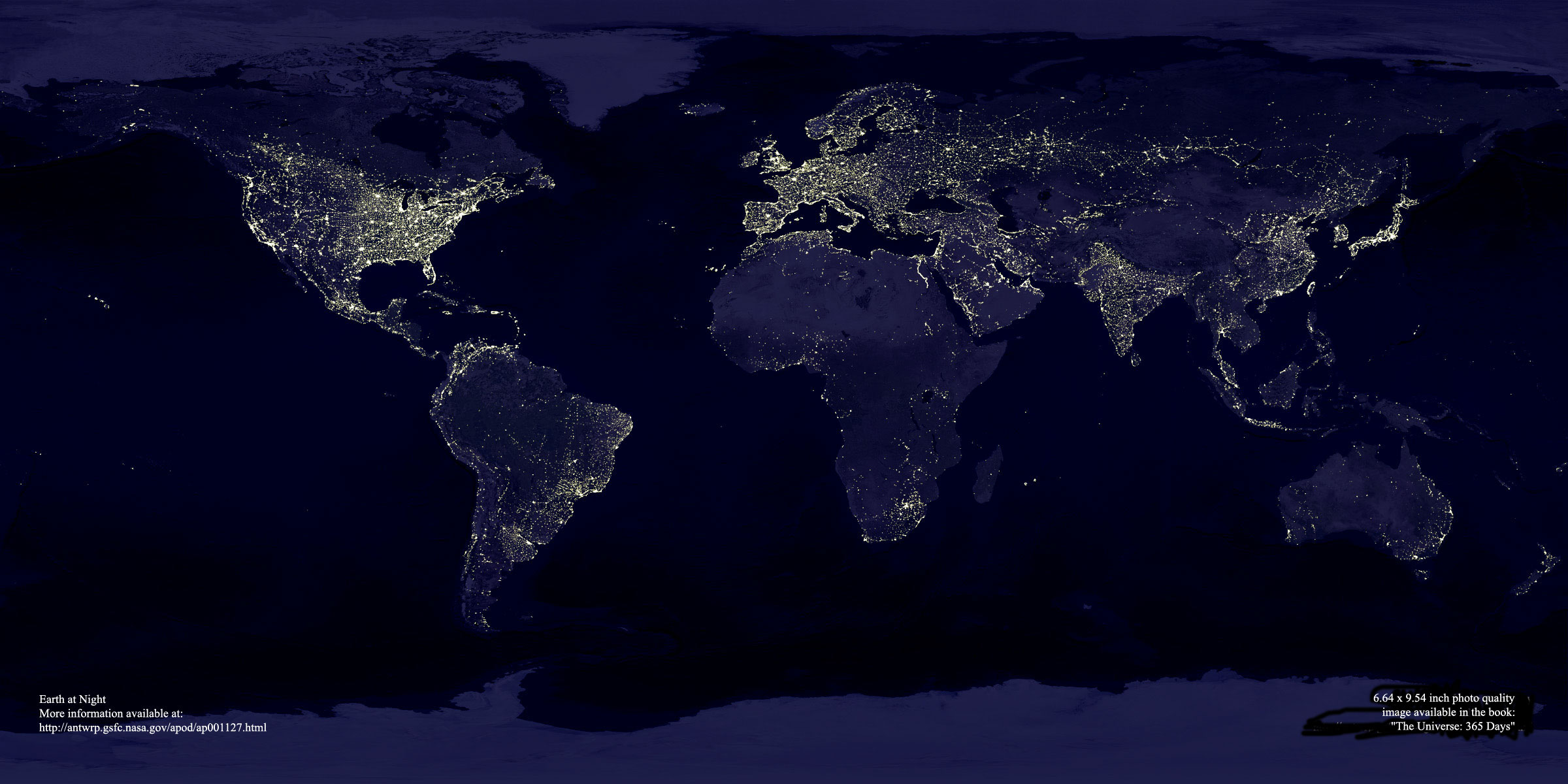
And finally, a picture of the world--its lights lit up at night. (Link #10))
Tomatoes galore
Apple picking time
A yellowing across the land
Crisp days and nights ... including frost warnings
Promising yourself you won't turn on the furnace until October 1st
... you know, the cost of fuel oil
But maybe not sticking to it
The first is a video of the Great Chinese State Circus performing Swan Lake. Stay with it. It'll knock your socks off, as they say. 4:29 minutes. (Link #1)
Perhaps you've seen this virtual tour of the Sistine Chapel. You should be able to use your mouse to fly around the room. The +/- in the lower left will let you zoom in or out. (Link #2)
This is a series of 15 color photos showing people in different countries (Yemen, Venezuela, the U.S., etc.) and what they eat in one day. It's called "Breaking Bread Everywhere" from the people who did the Material World book a few years back with shots of families world-wide standing beside all their material possessions. (Link #3)
Here are some truly beautiful shots of magnified drops of water. (Link #4)
This one brings tears whenever I listen. It's a Persian/Iranian group, Chris De Burgh and the Arian Band singing The Words "I Love You." 3:42 minutes. (Link #5)
Here's a set of still photos showing Russia in color a century ago. (Link #6)
This one tickles me every time I watch it. :33 seconds. (Link #7)
Here is another amusing piece that makes me chuckle. No hint. Just check it out. 6:49 minutes. (Link #8)
This is a video of a virtual choir put together from some 2,000 videos sent in from 58 countries, everyone singing the same song. 9:31 minutes. (Link #9) Here's a separate explanatory video, if you want to learn more about it. (Link #9A)
And finally, a picture of the world--its lights lit up at night. (Link #10))
What makes September September
| Heirlooms and others |
Apple picking time
A yellowing across the land
Crisp days and nights ... including frost warnings
Promising yourself you won't turn on the furnace until October 1st
... you know, the cost of fuel oil
But maybe not sticking to it
| Apple picking time |
Saturday, September 17, 2011
A Few Words
Of course, we've always known that English is a highly creative language that can go just about any way we want. We don't have the equivalent of the French language's Académie Française to regulate usage, vocabulary, and grammar. If we want to turn "disconnect" into a noun and set aside "disconnection," we can do it. Same with "reveal" and "revelation." You know, The Big Reveal when home improvement programs show off the transformation from a so-so place into one with a wow factor.
Lately, on watching financial and news programs, I've heard some splendidly creative language. "Vanilla option" for a normal option with no special features. (Unlike a "rocky road option," I imagine.) "Kicking the can down the road" for dealing with the debt ceiling later. "The President needs to go long; he can't small ball" for kicking butt. Then militaristic language is in vogue. "The Fed is moving to smaller bullets." "There's not going to be a nuclear monetary stimulus attack." "He only has one more bullet in his gun." And then lots of things are being "deployed" these days. Other current phrases include "they don't want to open the kimono." "Elevator pitch" or pitching something in the amount of time it takes to ride an elevator. And though I don't know what it means, what about "a dead cat bounce in the market"?
As these terms seep in, others seep out. Does anyone use "counterpane," "davenport," or "folderol" anymore? Or "woppy jawed" if something's off kilter?
There are definitely words that define their times. I saw a movie not that long ago set in the 1920's in which the heroine said, "Whatever," like in, you know, "What-evah." Not. Or these: Bikini, luncheon meat (the '40s). Credit card, Freudian slip (the '50s). Black hole, flower children (the '60s). Floppy disk, leg warmer ('the '70s). Walkman, voice mail (the '80s). DVD, FAQ (the '90s). ( From Twentieth Century Words, Oxford University Press, 1999.)
And today? How about "Hey!" instead of "Hi." "No problem" instead of "You're welcome." "The tweetisphere." "Couch surfer." "Webinar" (an internet seminar).
Then "folks" seems to have taken over that good word, "people." (I muse that Lincoln might have said, "...and that government of the folks, by the folks, and for the folks shall not perish from the earth." And except for Mother's Day and Mother Nature, "mom" seems to have replaced "mother." (As "dad" has "father.") And the pronunciation of that valuable French word, "voilà," has turned into "wallah."
Then, too, meanings get skewed. "Decimate" for "annihilate" when it really means "to destroy by one-tenth". (That's the "deci" part.) "Dastardly" for "terribly" when it more precisely means "cowardly." "Disinterested" for "uninterested" when it means "to be free of bias or self-interest." "Fulsome" for "full" when it means "excessive, offensive."
Of course, there are some splendid words that only someone like Simon Winchester OBE comes out with. "Chamfered" as in "chamfered rectangles." ("A beveled edge connecting two surfaces.") "Majuscule" (the opposite of "miniscule").
And my copy of Lawrence Durrell's Justine has words I underlined because I didn't know what they meant. "Antinomian." Even as I write that, my spell-check underlines it as if to say, "huh??" (It means that "faith and grace relieve one from having to adhere to moral law.") "Ratiocinative" ("reasoning, exact thinking"). "Phthisic" ("wasting away").
I used to have a little blue notebook in which I wrote words I didn't know. My hope was that on looking them up and writing down the meaning, I might be able to actually incorporate them into my speech. Or at least recognize them the next time I saw them. Alas, neither occurred. Many didn't really fit into everyday language. Some I totally forgot I'd ever seen before. One day the little notebook got tossed.
I did keep a listing of collective nouns which originally came from The Book of St. Albans, 1486. To wit:
a rascal of boys
a goring of butchers
a blast of hunters
a foresight of housekeepers
a diligence of messengers
a converting of preachers
a blackening of shoemakers
a proud showing of tailors
a worship of writers
Okay, let's be a little imaginative here.
Et, voilà.
Lately, on watching financial and news programs, I've heard some splendidly creative language. "Vanilla option" for a normal option with no special features. (Unlike a "rocky road option," I imagine.) "Kicking the can down the road" for dealing with the debt ceiling later. "The President needs to go long; he can't small ball" for kicking butt. Then militaristic language is in vogue. "The Fed is moving to smaller bullets." "There's not going to be a nuclear monetary stimulus attack." "He only has one more bullet in his gun." And then lots of things are being "deployed" these days. Other current phrases include "they don't want to open the kimono." "Elevator pitch" or pitching something in the amount of time it takes to ride an elevator. And though I don't know what it means, what about "a dead cat bounce in the market"?
As these terms seep in, others seep out. Does anyone use "counterpane," "davenport," or "folderol" anymore? Or "woppy jawed" if something's off kilter?
There are definitely words that define their times. I saw a movie not that long ago set in the 1920's in which the heroine said, "Whatever," like in, you know, "What-evah." Not. Or these: Bikini, luncheon meat (the '40s). Credit card, Freudian slip (the '50s). Black hole, flower children (the '60s). Floppy disk, leg warmer ('the '70s). Walkman, voice mail (the '80s). DVD, FAQ (the '90s). ( From Twentieth Century Words, Oxford University Press, 1999.)
And today? How about "Hey!" instead of "Hi." "No problem" instead of "You're welcome." "The tweetisphere." "Couch surfer." "Webinar" (an internet seminar).
Then "folks" seems to have taken over that good word, "people." (I muse that Lincoln might have said, "...and that government of the folks, by the folks, and for the folks shall not perish from the earth." And except for Mother's Day and Mother Nature, "mom" seems to have replaced "mother." (As "dad" has "father.") And the pronunciation of that valuable French word, "voilà," has turned into "wallah."
Then, too, meanings get skewed. "Decimate" for "annihilate" when it really means "to destroy by one-tenth". (That's the "deci" part.) "Dastardly" for "terribly" when it more precisely means "cowardly." "Disinterested" for "uninterested" when it means "to be free of bias or self-interest." "Fulsome" for "full" when it means "excessive, offensive."
Of course, there are some splendid words that only someone like Simon Winchester OBE comes out with. "Chamfered" as in "chamfered rectangles." ("A beveled edge connecting two surfaces.") "Majuscule" (the opposite of "miniscule").
And my copy of Lawrence Durrell's Justine has words I underlined because I didn't know what they meant. "Antinomian." Even as I write that, my spell-check underlines it as if to say, "huh??" (It means that "faith and grace relieve one from having to adhere to moral law.") "Ratiocinative" ("reasoning, exact thinking"). "Phthisic" ("wasting away").
I used to have a little blue notebook in which I wrote words I didn't know. My hope was that on looking them up and writing down the meaning, I might be able to actually incorporate them into my speech. Or at least recognize them the next time I saw them. Alas, neither occurred. Many didn't really fit into everyday language. Some I totally forgot I'd ever seen before. One day the little notebook got tossed.
I did keep a listing of collective nouns which originally came from The Book of St. Albans, 1486. To wit:
a rascal of boys
a goring of butchers
a blast of hunters
a foresight of housekeepers
a diligence of messengers
a converting of preachers
a blackening of shoemakers
a proud showing of tailors
a worship of writers
![]() |
| This is from the Waikiki Zoo. I discovered the collective noun for flamingos is "stand." |
Okay, let's be a little imaginative here.
![]() |
| What about a sunburn of vacationers? |
![]() |
| What do you think? An apertif or a café-crème of café-goers? |
![]() |
| This seems obvious: a weaving of baskets. (I took this photo in Sommieres, France, the last town where Lawrence Durrell lived.) |
Et, voilà.
Saturday, September 10, 2011
That Can-Do Spirit
An L.A. friend mentioned it in a post-storm email. She spoke of "can-do Vermonters." A good term. People around here have been busy! Hurricane--no, Tropical Storm--Irene crashed and thrashed about, but for us, at least, our down-town is almost cleaned up, our streets are re-opening, and our farmers market (which seemed a total loss) is up and running.
It's true that we in the northern latitudes have honed our can-do skills contending with all the long, bitter winters that invade these parts. But after any emergency, you hear about the locals anywhere speaking with pride in their resilience. No matter the community, the state, the region, people like to help, work together, get things back to the way they were ... or even make them better than they were.
We're fortunate to have a viable on-line community site which has proven to be highly effective--such postings as, "Who needs help this weekend?" with info about a bucket brigade ("wear mud boots"). Or a notice from a senior who can't shovel out her mud. Or an offer for free gravel from someone who thought he might now have a hundred wheelbarrows-full in his yard. Or a link to a new map (to be updated daily) of flood-caused road closures/openings. Or a reminder to follow safe clean-up procedures with warnings about molds and environmental contaminants. And, my favorite, a 2-minute video showing a horseback rider braving vigorous flowing waters to deliver medication. (All this, of course, interspersed with notices about choral rehearsals, a tobacco cessation workshop, etc.)
So, I should not have been so utterly surprised at what I found when I visited our local farmers market on market day. It hadn't skipped a beat. The week before, it had been there in all its vitality even hours before the storm hit. Then there it was again after only a week--though the flood waters had swept through, the structures had toppled, the picnic tables had washed away, great gashes had appeared in the parking lot.
But, as one vendor told me when I looked around and literally shook my head at how the new market so closely resembled the old (except the grass was gone), "It shows what a good bull-dozer can do ... and the help of a lot of people." In fact, some hundred people (including children) had come out with their shovels and rakes to help level the land, set up new picnic tables, and construct another sandbox for the little ones. They'd made new parking signs, seeded grass which they covered with straw, set out new trash and compost centers. Others had brought them coffee and fresh muffins.
Then, market day, with the exception of a vendor or two still off in isolated towns, everyone was back in their old spots, making dim sum, selling pots of chrysanthemums, setting out maple syrup and pints of berries, chatting while making coffee, putting out pottery, and posting such signs as"These vegetables were not flooded." One vendor lost half his crop when (contaminated) flood waters filled his fields, but he was there, too, with what he could salvage. And flooding all this in a totally different way were people like me who came to support them--to buy their bread, cucumbers, flowers. To offer them our blessings and wish them well.
Overheard bits of conversation:
"...my road washed out ..."
"We're up on a hill and didn't even know about the flood until later ..."
"I don't know if they had flood insurance but you know the deductibles are so high, maybe $30,000 ... or even $15,000 is a lot ..."
" ... if that tree had come down any closer ..."
"...everyone helped out..."
Gotta admit. I was pretty proud to be associated with these can-do Vermonters (though I'm a Southern Californian like the friend who emailed me). I didn't bring shovel and rake, but I do make a point of going each Saturday morning and buying their produce. Thank you!
It's true that we in the northern latitudes have honed our can-do skills contending with all the long, bitter winters that invade these parts. But after any emergency, you hear about the locals anywhere speaking with pride in their resilience. No matter the community, the state, the region, people like to help, work together, get things back to the way they were ... or even make them better than they were.
We're fortunate to have a viable on-line community site which has proven to be highly effective--such postings as, "Who needs help this weekend?" with info about a bucket brigade ("wear mud boots"). Or a notice from a senior who can't shovel out her mud. Or an offer for free gravel from someone who thought he might now have a hundred wheelbarrows-full in his yard. Or a link to a new map (to be updated daily) of flood-caused road closures/openings. Or a reminder to follow safe clean-up procedures with warnings about molds and environmental contaminants. And, my favorite, a 2-minute video showing a horseback rider braving vigorous flowing waters to deliver medication. (All this, of course, interspersed with notices about choral rehearsals, a tobacco cessation workshop, etc.)
So, I should not have been so utterly surprised at what I found when I visited our local farmers market on market day. It hadn't skipped a beat. The week before, it had been there in all its vitality even hours before the storm hit. Then there it was again after only a week--though the flood waters had swept through, the structures had toppled, the picnic tables had washed away, great gashes had appeared in the parking lot.
But, as one vendor told me when I looked around and literally shook my head at how the new market so closely resembled the old (except the grass was gone), "It shows what a good bull-dozer can do ... and the help of a lot of people." In fact, some hundred people (including children) had come out with their shovels and rakes to help level the land, set up new picnic tables, and construct another sandbox for the little ones. They'd made new parking signs, seeded grass which they covered with straw, set out new trash and compost centers. Others had brought them coffee and fresh muffins.
| Sunlight on the new sandbox |
| "Thank you" sign on a tree |
Then, market day, with the exception of a vendor or two still off in isolated towns, everyone was back in their old spots, making dim sum, selling pots of chrysanthemums, setting out maple syrup and pints of berries, chatting while making coffee, putting out pottery, and posting such signs as"These vegetables were not flooded." One vendor lost half his crop when (contaminated) flood waters filled his fields, but he was there, too, with what he could salvage. And flooding all this in a totally different way were people like me who came to support them--to buy their bread, cucumbers, flowers. To offer them our blessings and wish them well.
Overheard bits of conversation:
"...my road washed out ..."
"We're up on a hill and didn't even know about the flood until later ..."
"I don't know if they had flood insurance but you know the deductibles are so high, maybe $30,000 ... or even $15,000 is a lot ..."
" ... if that tree had come down any closer ..."
"...everyone helped out..."
Gotta admit. I was pretty proud to be associated with these can-do Vermonters (though I'm a Southern Californian like the friend who emailed me). I didn't bring shovel and rake, but I do make a point of going each Saturday morning and buying their produce. Thank you!
| From Trouble-maker back to being Little Miss Babbling Brook |
Thursday, September 1, 2011
When Irene Came to Call
Before Irene hit, I was going to write this week's posting about prepping for a hurricane in a Southern Vermont town on the Connecticut River with a brief afterword about how we fared, thinking, really, there would be little to report other than some power outage. But it turned out to be another story entirely. Or, as one youthful resident said when scanning the damage, "It's something else."
Earlier in the week, we realized we were smack in the middle of Irene's track. When I checked and re-checked the cognoscenti sites, there it was--scheduled to come barreling through, as one local said, "in my front door and out my back." Then there was the Weather Channel notice that said "Irene poses an extraordinary threat that is one no one has yet experienced from North Carolina ... to New England."
So what I did was freak out for awhile. Then, like that saying, "Trust in God but tie up your camel," I set to work getting ready. I figured a main problem might be downed trees since a handsome collection of enormous white pines surround all the houses up here on my little hill. I'd fortunately had one rotted-out oak taken out this summer but, otherwise, all I could do was go out before the storm and tell my trees how perfect they looked standing right where they were and please don't move. My next problem would be power outage. That was pretty much a given. But I could cook since my stove was on propane. I had city water which didn't require an electric pump. I had plenty of food. Manual can-opener. Candles, batteries, flashlights. After that, my next problem would be a degree of run-off flowing through my cellar. (No other flooding since I'm on that hill I mentioned.) Having experienced several Nor'easters, I'd long since put my cellar stuff up on blocks. I only had to roll up some carpeting. Finally, if we got strong winds, my garden furniture would tumble downhill into the poison ivy, so I took things indoors. I wondered about getting duct tape in case something knocked out a window and I needed to put up plastic sheeting, but I thought I'd wing that one.
It finally started to rain 8 PM Saturday. I felt prepared; I'd done all I knew to do. I went to bed. It rained through the night; there were no high winds. Then Sunday, it rained and rained and rained, sometimes in sheets, no surcease. My trees were happily staying put. I checked online and turned on the TV to see what was going on. And if the track had shifted. It hadn't. The reporters were all solidly positioned beside coastal surf and in city streets. Then the power went out--which incidentally meant I couldn't open my garage door and get out my car, but I wasn't going anywhere. I'd been watching the new Top Chef "Just Desserts" program ... but now got out my book. All I could hear with the house closed up was the rain As I sat reading, I felt as if I were in an airplane, stuck in one of those reclining seats, feeling a bit anxious, just waiting "to get there." I also realized anew how rather grim it is not to have electricity and how we as a society may one day wonder that we had anything as primitive as above-ground wires.
Then, after some 17 or 18 hours, the rain let up. I opened my front door to poke my head out, hoping the brunt of the storm was over. Thanks to low winds, the trees were okay; no branches covered the road. But as I was going back in the house, I heard something that I could not identify. It sounded like an inordinate amount of traffic on the road just down the hill. Except no one much was out. Or, it sounded like a river. Except there was no river there. Curious, I put on my rain coat and walked out, careful to keep an eye out for possible downed wires. The road at the bottom of the hill was, indeed, empty ... except for a police car turning cars away because, as it turned out, there was such extensive damage on up ahead that the road was closed for the next 40 miles--all the way across the entire southern part of the state. It was then I discovered what the noise was.
Bear with me here. News reporters like to speak of Vermont with this sort of language. "Sweet sleepy towns." "Babbling brooks." All story-book stuff. Well, while they were so heavily concentrating on the fact that New York City had actually made it through the hurricane and, oh yes, by the way, Irene was now off in New England, IRENE WAS NOW OFF IN NEW ENGLAND. Hello, out there! Anyone paying attention? In this land of hills and valleys, all of our state's little babblers (already saturated from a summer of rain) had turned into raging torrents, creating flash floods no one around here had ever seen before. That noise I heard was our local brook now crashing down, eroding its banks, brimming over, making its way toward the Connecticut River, taking out mobile homes, chunks of pavement, whole trees, picnic tables, propane tanks still hissing gas, and our local farmers market. Then when it got down-town, it raged across streets and parking lots, into shops, offices, and a hotel lobby as it wreaked havoc with roads and bridges on the way. It didn't take an ocean surge to destroy things; it was built right there into our mountainy story-book setting.
That woke up the reporters who then came here for their aftermath stories. Irene is now gone, I and mine (including my trees) are fine, power came back on, but our town (as many) got creamed. I've read that in some of the small towns, country inns have been turned into emergency command centers ... money donation jars have been filling up ... people have been picking up other people's family photos along brook banks. Here, the flood waters have subsided and bulldozers are out scraping up the mud. Then there's that spontaneous exchange that occurs after something like this--with a postal clerk, the take-out coffee guy, the car dealership fellow who schedules your oil change.
"Everything okay with you?"
"Yeah. You?"
"Yeah. It was something, though."
"Yeah."
I have to admit that one image in all this rather amuses me: a shot I saw (but don't have) of our town's wooden Loch-Ness monster--usually propped out in the water near the marina--last seen, finally free, bobbing down the Connecticut on its way to Long Island Sound.
Other images:
1) Try this YouTube link here by a fine videographer I happen to know.
2) Here's a good CNN series of still photos of the region. The middle one is especially dramatic. (Click here.)
As a P.S., a few Vermont statistics from The New York Times might be of interest though I don't know what one can do with them.
Earlier in the week, we realized we were smack in the middle of Irene's track. When I checked and re-checked the cognoscenti sites, there it was--scheduled to come barreling through, as one local said, "in my front door and out my back." Then there was the Weather Channel notice that said "Irene poses an extraordinary threat that is one no one has yet experienced from North Carolina ... to New England."
So what I did was freak out for awhile. Then, like that saying, "Trust in God but tie up your camel," I set to work getting ready. I figured a main problem might be downed trees since a handsome collection of enormous white pines surround all the houses up here on my little hill. I'd fortunately had one rotted-out oak taken out this summer but, otherwise, all I could do was go out before the storm and tell my trees how perfect they looked standing right where they were and please don't move. My next problem would be power outage. That was pretty much a given. But I could cook since my stove was on propane. I had city water which didn't require an electric pump. I had plenty of food. Manual can-opener. Candles, batteries, flashlights. After that, my next problem would be a degree of run-off flowing through my cellar. (No other flooding since I'm on that hill I mentioned.) Having experienced several Nor'easters, I'd long since put my cellar stuff up on blocks. I only had to roll up some carpeting. Finally, if we got strong winds, my garden furniture would tumble downhill into the poison ivy, so I took things indoors. I wondered about getting duct tape in case something knocked out a window and I needed to put up plastic sheeting, but I thought I'd wing that one.
| A few of my glorious trees |
It finally started to rain 8 PM Saturday. I felt prepared; I'd done all I knew to do. I went to bed. It rained through the night; there were no high winds. Then Sunday, it rained and rained and rained, sometimes in sheets, no surcease. My trees were happily staying put. I checked online and turned on the TV to see what was going on. And if the track had shifted. It hadn't. The reporters were all solidly positioned beside coastal surf and in city streets. Then the power went out--which incidentally meant I couldn't open my garage door and get out my car, but I wasn't going anywhere. I'd been watching the new Top Chef "Just Desserts" program ... but now got out my book. All I could hear with the house closed up was the rain As I sat reading, I felt as if I were in an airplane, stuck in one of those reclining seats, feeling a bit anxious, just waiting "to get there." I also realized anew how rather grim it is not to have electricity and how we as a society may one day wonder that we had anything as primitive as above-ground wires.
Then, after some 17 or 18 hours, the rain let up. I opened my front door to poke my head out, hoping the brunt of the storm was over. Thanks to low winds, the trees were okay; no branches covered the road. But as I was going back in the house, I heard something that I could not identify. It sounded like an inordinate amount of traffic on the road just down the hill. Except no one much was out. Or, it sounded like a river. Except there was no river there. Curious, I put on my rain coat and walked out, careful to keep an eye out for possible downed wires. The road at the bottom of the hill was, indeed, empty ... except for a police car turning cars away because, as it turned out, there was such extensive damage on up ahead that the road was closed for the next 40 miles--all the way across the entire southern part of the state. It was then I discovered what the noise was.
Bear with me here. News reporters like to speak of Vermont with this sort of language. "Sweet sleepy towns." "Babbling brooks." All story-book stuff. Well, while they were so heavily concentrating on the fact that New York City had actually made it through the hurricane and, oh yes, by the way, Irene was now off in New England, IRENE WAS NOW OFF IN NEW ENGLAND. Hello, out there! Anyone paying attention? In this land of hills and valleys, all of our state's little babblers (already saturated from a summer of rain) had turned into raging torrents, creating flash floods no one around here had ever seen before. That noise I heard was our local brook now crashing down, eroding its banks, brimming over, making its way toward the Connecticut River, taking out mobile homes, chunks of pavement, whole trees, picnic tables, propane tanks still hissing gas, and our local farmers market. Then when it got down-town, it raged across streets and parking lots, into shops, offices, and a hotel lobby as it wreaked havoc with roads and bridges on the way. It didn't take an ocean surge to destroy things; it was built right there into our mountainy story-book setting.
| The "brook" next day, greatly subdued |
That woke up the reporters who then came here for their aftermath stories. Irene is now gone, I and mine (including my trees) are fine, power came back on, but our town (as many) got creamed. I've read that in some of the small towns, country inns have been turned into emergency command centers ... money donation jars have been filling up ... people have been picking up other people's family photos along brook banks. Here, the flood waters have subsided and bulldozers are out scraping up the mud. Then there's that spontaneous exchange that occurs after something like this--with a postal clerk, the take-out coffee guy, the car dealership fellow who schedules your oil change.
"Everything okay with you?"
"Yeah. You?"
"Yeah. It was something, though."
"Yeah."
I have to admit that one image in all this rather amuses me: a shot I saw (but don't have) of our town's wooden Loch-Ness monster--usually propped out in the water near the marina--last seen, finally free, bobbing down the Connecticut on its way to Long Island Sound.
| The town's Nessie when still stationed at the local marina |
1) Try this YouTube link here by a fine videographer I happen to know.
2) Here's a good CNN series of still photos of the region. The middle one is especially dramatic. (Click here.)
As a P.S., a few Vermont statistics from The New York Times might be of interest though I don't know what one can do with them.
- 13 towns isolated (all have now been accessed)
- 35 bridges taken out including 4 historic covered bridges
- A portion of every highway in the state closed, except I-91 and I-89
- Amtrak service suspended indefinitely; 4 railway bridges impassable
- 260 roads fully or partly closed
- 30 bridges fully or partly closed
Subscribe to:
Posts (Atom)